199056 minDocumentary
Nord Express
In 1896 Georges Nagelmackers launched the Nord Express from Paris to St Petersburg. In 1990 the film rides the 47 hours from Paris to Moscow, in a time of upheaval: in Paris railwaymen lay the new TGV lines, in Berlin the Wall is crumbling, and at Brest, on the Soviet border, the carriages are moved onto broad-gauge bogies. Galina, the sleeping-car attendant, makes tea. In the corridor Theodore, a student, looks out over the curtain. In West Berlin the painter Ben Wargin doubts we will ever go any faster.
Press
“That Nord Express still makes for a particular experience comes from the fact that Rombout has made not the journey, but travelling itself, the subject of his film.”
‘Dat Nord Express niettemin een bijzondere ervaring teweegbrengt, heeft te maken met het feit dat Rombout niet de reis, maar het reizen zelf tot onderwerp van zijn film heeft gemaakt.’
“It makes you want to leave. Not for a trip round the world in forty days, from one airport to the next. But for a real journey.”
« Il donne envie de partir. Non pas pour un tour du monde en quarante jours, d’un aéroport à l’autre. Mais pour un véritable voyage. »
- 1990Nord Express : un film qui arrive à l’heureRené Begon, La Wallonie · PDF ↗
- 1990La lente hâte du voyage en trainMarie-Christine Pasche, La Tribune de Genève · PDF ↗
- 1991Paris-Moscou, l’anti-TGVBéatrice Bocard, Libération · PDF ↗
- 1991Een reis zonder ontsporingenErnie Tee, Skrien · PDF ↗
- 2022A journey through HistoryMarc-Emmanuel Mélon, The Mise en Scène of the Real, Yellow Now, provisional translation · PDF ↗
Photographs
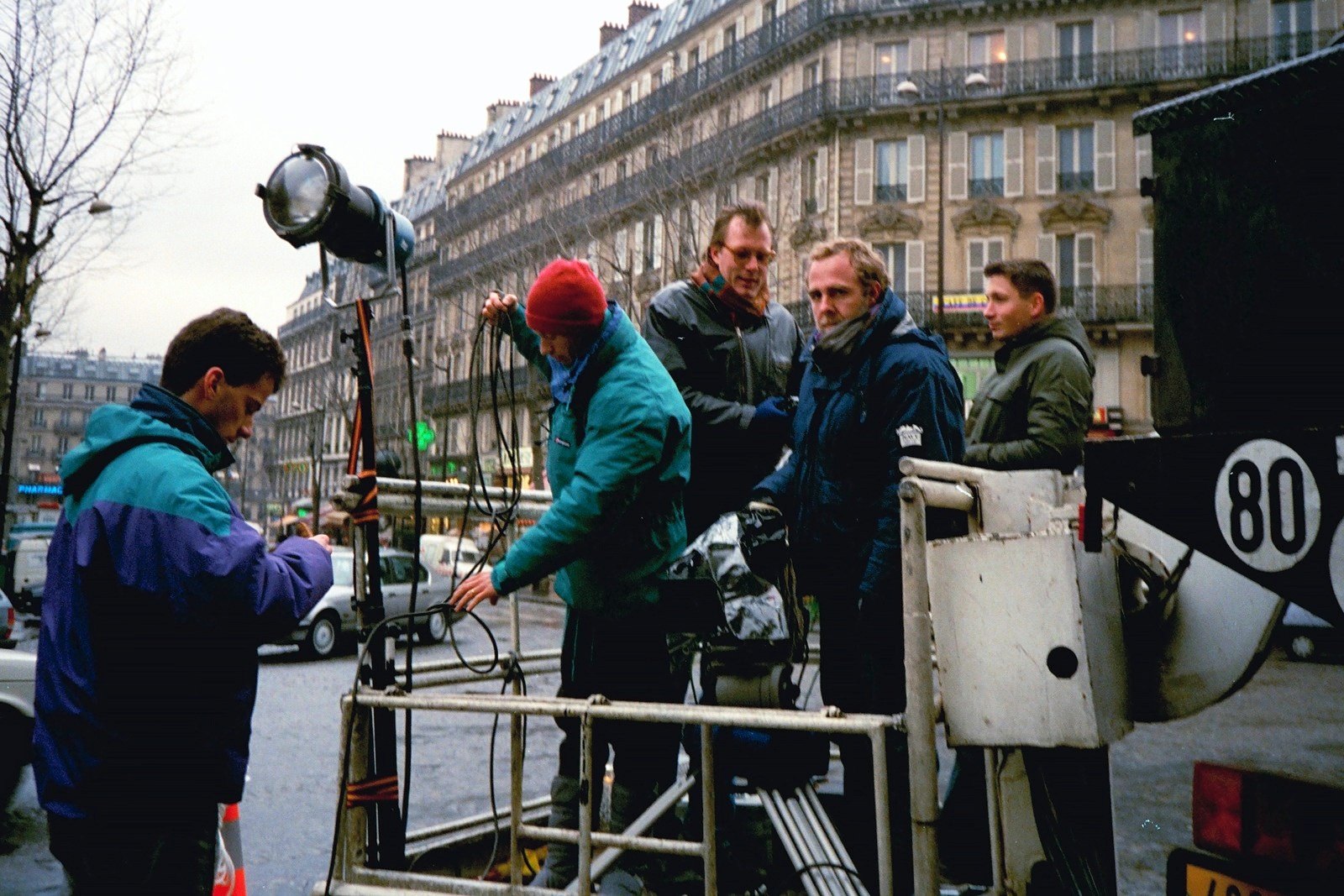
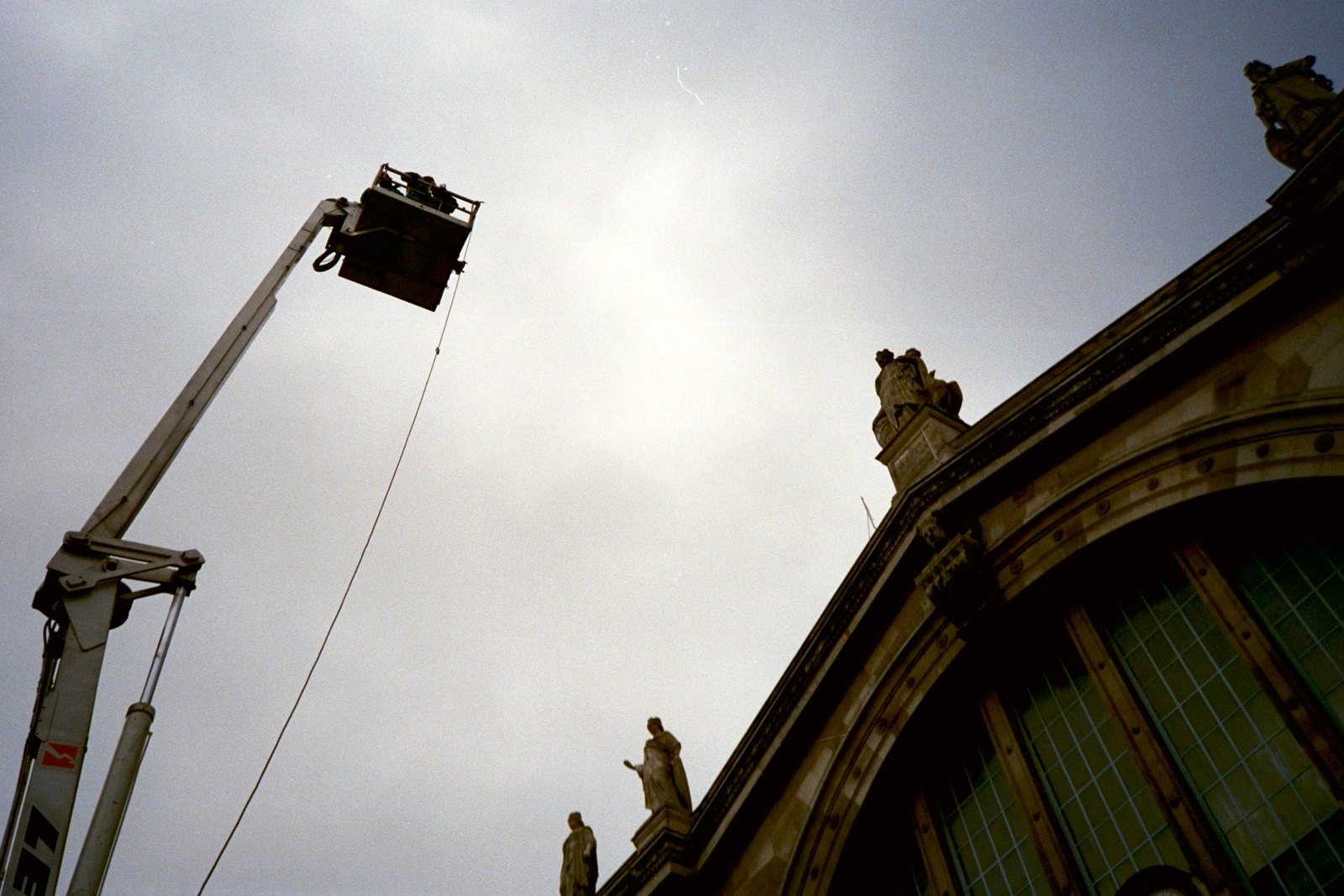
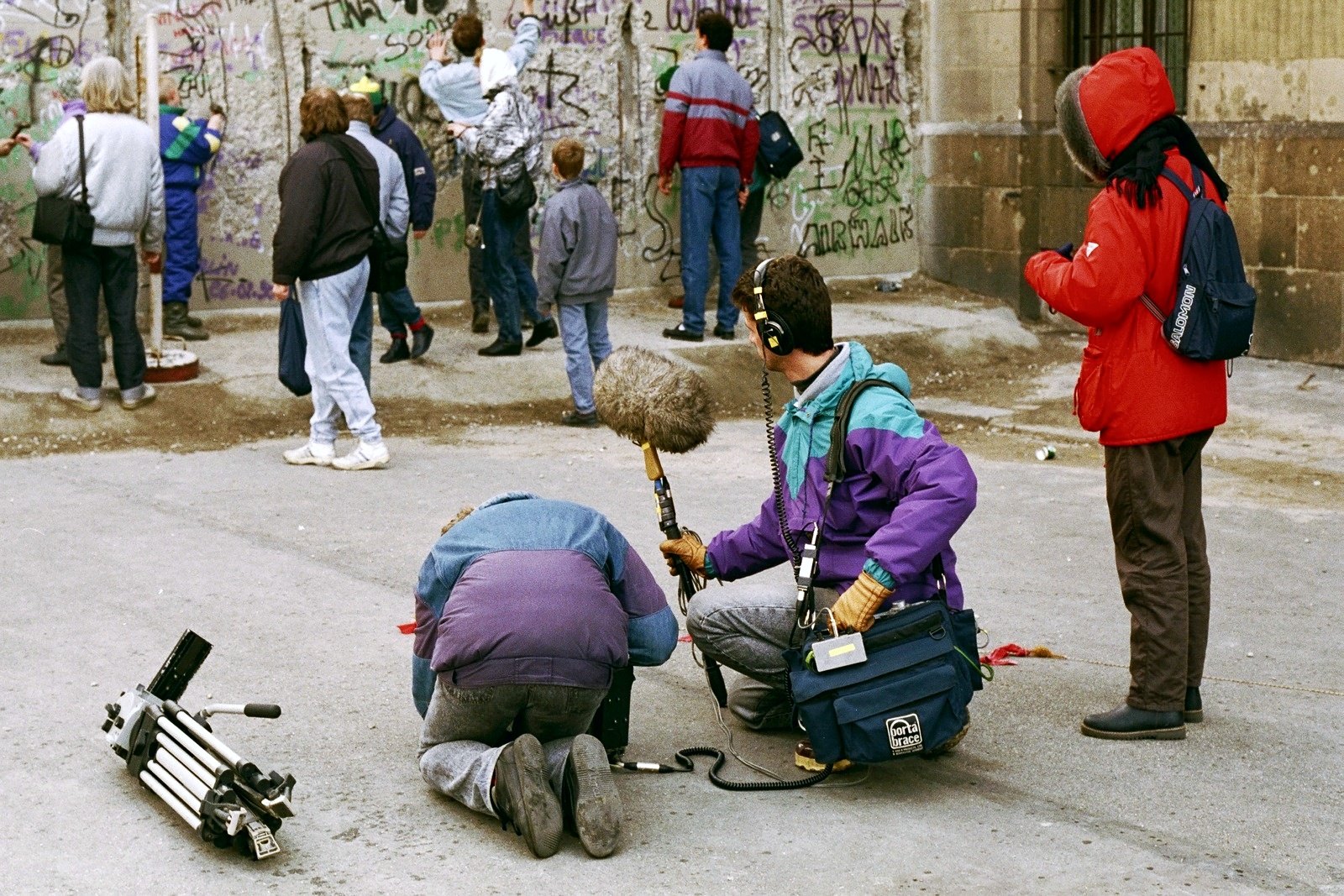
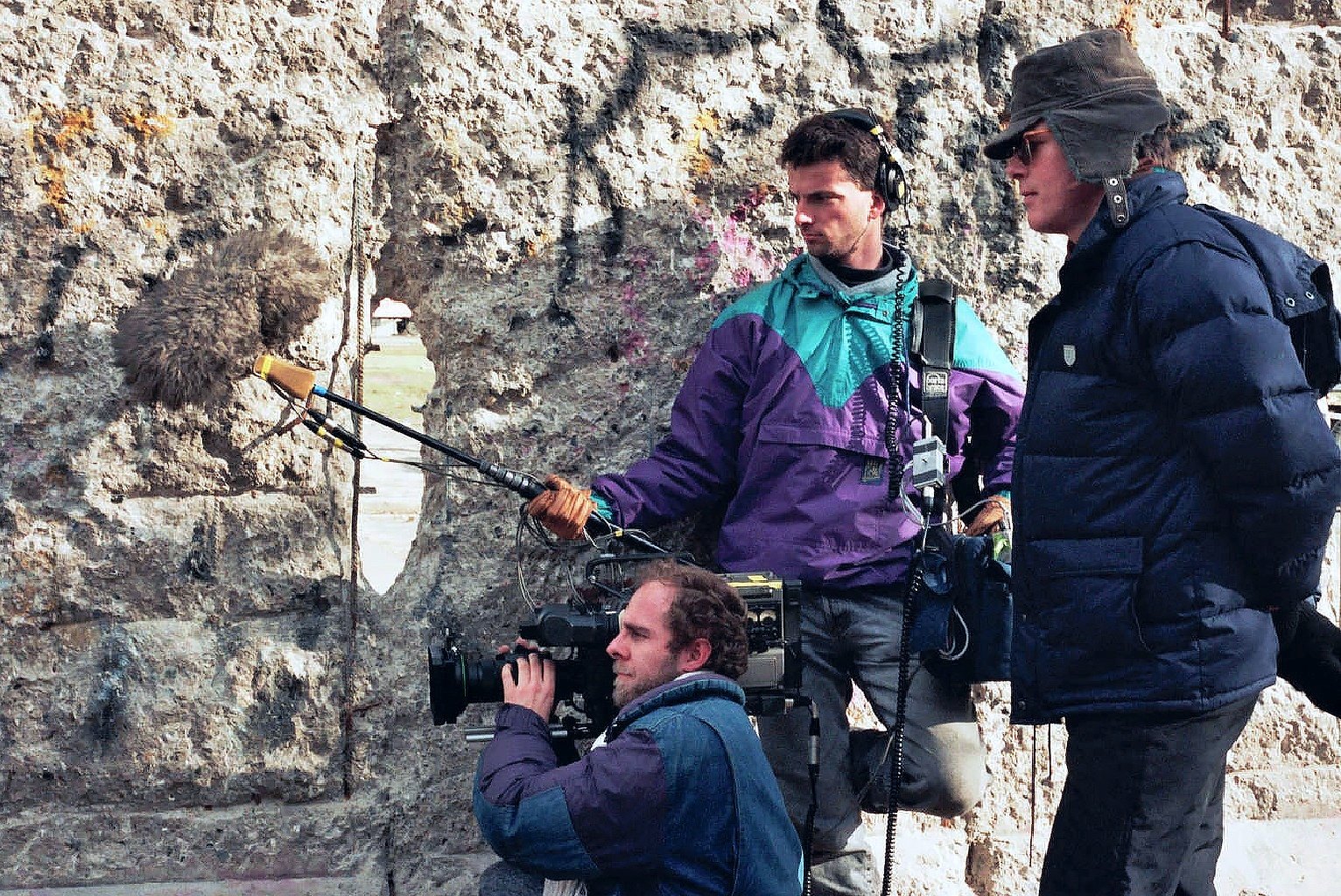
Technical sheet
- Title
- Nord Express
- Year
- 1990
- Runtime
- 56 min
- Countries
- Belgium, France
- Languages
- French, German, Polish, Russian
- Production
- Paradise Films, with Triangle 7, RTBF, CAC-CICV Montbéliard and Wallonie Image Production
- Availability
- On request
- Versions
- 56′, the length of the master. Mélon 2022 prints 58′ in the credits and 52′, a television slot, in its filmography (p. 254).
- Direction
- Rob Rombout
- Script
- Rob Rombout, Christian Janssens
- Image
- Louis-Philippe Capelle
- Assistant camera
- Marc Ridley
- Sound
- Olivier Struye, Paul Heymans
- Editing
- Adriana Moreira de Oliveira
- Mix
- Jacques Clisse
- Music
- Piotr Hertel
- Executive producer
- Marilyn Watelet
- Line producers
- Jean-Philippe Laroche, Catherine Derosier
- With
- Galina, Theodore, Ben Wargin
Selections
- 1990World Wide Video Festival, The Hague
- 1990Videobrasil, São Paulo
- 1990Manifestation internationale de vidéo et de télévision, Montbéliard
- 1990Vidéos du réel, Saint-Gervais
- 1991Videofest 91, Berlin
Transcripts
▶ Excerpt · 3′30″
Мне кажется, преимуществ здесь никаких нет. Таких, чтобы можно было сказать: «Это счастье, быть проводником». У меня перспективы совершенно никакой нет. Совершенно. Только ездить хоть 10, хоть 20 лет проводником. Как буду ездить в соцстраны, так и буду ездить. Или если будут какие-нибудь жалобы, могут снять. А дальше куда? Ничего.
It seems to me there are no advantages here. None that would let you say: 'What happiness, to be a carriage attendant.' I have no prospects at all. None at all. Only to go on working as an attendant, 10 years or 20. As I travel to the socialist countries now, so I will go on travelling. Or if there are any complaints, they can take me off. And where then? Nothing.
Я же женщина. А мужчины... У меня муж партийный, у него есть перспектива выйти на капстраны, то есть ездить, как все мужчины партийные ездят: в Париж, […] и другие капстраны. Но он тоже из-за меня не может поехать, потому что я женщина, а женщин за границу не пускают.
I'm a woman, after all. Whereas the men... My husband is a Party member, he has the prospect of moving on to the capitalist countries, that is, of travelling the way all the Party men travel: to Paris, […] and other capitalist countries. But he can't go either, because of me, because I'm a woman, and women aren't allowed abroad.
Пока я буду здесь работать на этом участке проводником, он дальше Берлина, Праги, Варшавы никуда не дёрнется. Это значит, чтобы ему куда-то выйти на другие страны, мне надо или увольняться, или планы такие: иметь ребёнка и сидеть дома с ребёнком.
As long as I work here on this section as an attendant, he won't get anywhere beyond Berlin, Prague, Warsaw. That means that for him to move on to other countries, I would have to either quit, or, these are the plans: have a child and stay at home with the child.
У меня есть мечта такая: цветы выращивать, тихий уголочек какой-нибудь. Я всё своему мужу говорю: «Давай уедем к маме». У меня мама в Бердянске живёт. В огороде покопаться. Очень приятно, когда в вазочке всегда цветочки стоят, и их можно полюбоваться, понюхать.
I have this dream: to grow flowers, some quiet little corner somewhere. I keep telling my husband: 'Let's go and live with my mother.' My mother lives in Berdyansk. To dig about in the vegetable garden. It is very nice when there are always flowers in a little vase, and you can admire them, smell them.
Муж знает мою слабость. У меня что на работе, что дома цветы никогда не убывают. У меня такая мечта: иметь цветы. А когда эта мечта сбудется, кто его знает, может, на старости лет.
My husband knows my weakness. At work and at home alike, I am never without flowers. That is my dream: to have flowers. And when this dream will come true, who knows, maybe in my old age.
Transcribed from the sound of the excerpt and edited; English translations are ours.